Making a complex research pilot accessible to residents, with communications supporting a recruitment programme that achieved completed installations in 83% of targeted homes in Chorlton, south Manchester, and 79% in Atherton, Wigan.
Heat pump manufacturer Daikin and Greater Manchester Combined Authority (GMCA) needed households in two Greater Manchester communities to participate in a smart heat pump research pilot.
The five-year study was designed to improve understanding of how and when households use heat pumps, helping inform how electricity demand could be managed as the technology becomes more widely adopted.
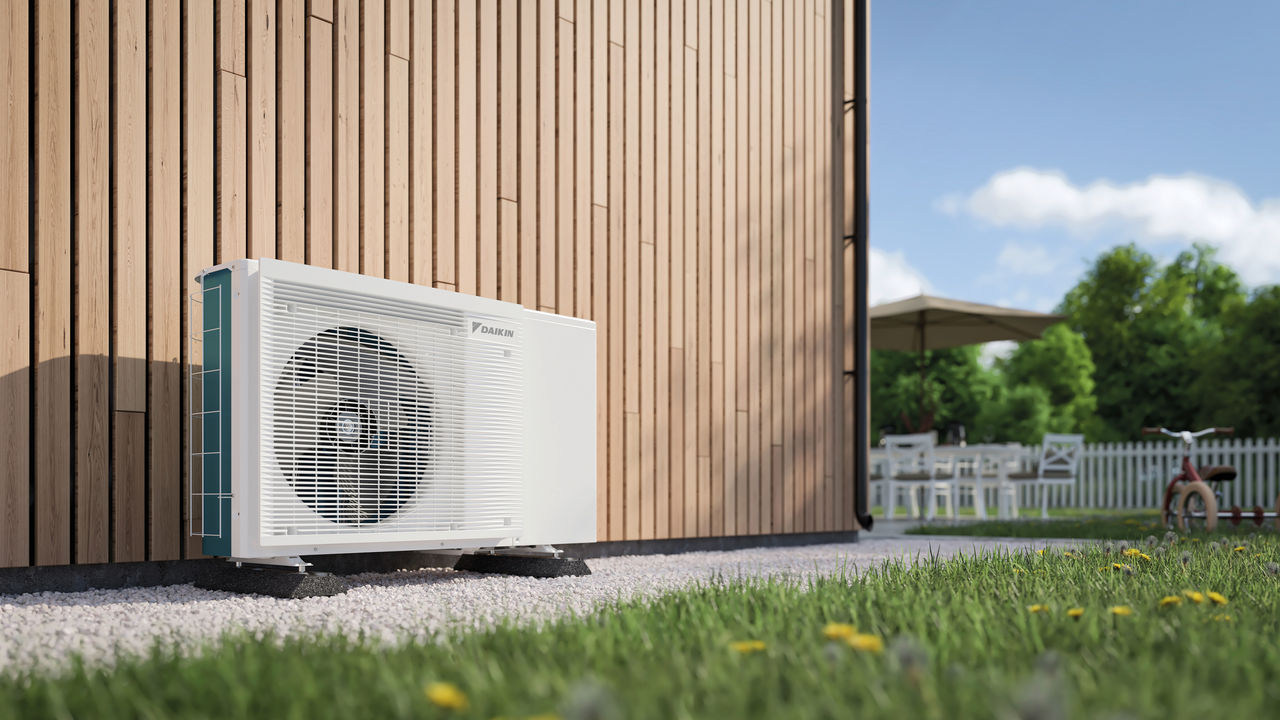
The pilot involved residents in Chorlton, south Manchester, in homes managed by Southway Housing Trust, and Atherton, in Wigan, in homes managed by Wigan Council. Each household already had an operational heat pump. Taking part meant agreeing to have a router installed and connected to their existing system.
PR Agency One was appointed to develop and deliver the resident-facing communications, making the project understandable and preparing households for a partner-led doorstep
What We Did
Our starting point was the audience, not the technology.
The two communities included residents of different ages, backgrounds and first languages. The communications needed to explain a technically complex project clearly, without assuming specialist knowledge or depending on lengthy written explanations.
This was not a campaign to persuade people to switch to heat pumps. It was about helping residents understand an invitation to participate in research involving equipment already in their homes. The distinction shaped our approach: focus on what participation meant for the household, rather than lead with the technology behind the study.
We began by giving the project a clear, resident-facing identity: Smart Heat Pump Network. Replacing a lengthy technical title with a shorter, more descriptive name made the scheme easier to introduce and provided a consistent identity across the campaign.
We then developed a coordinated package of printed information, dedicated web content and animation. Each element addressed the practical questions residents needed answered: what the project was, why they were being invited to participate, what would happen in their home and how they could register their interest.
Our Campaign
Putting information into residents’ hands
We created and distributed leaflets to every targeted home across the two pilot communities, introducing the Smart Heat Pump Network before the doorstep recruitment activity began.
The leaflets explained the purpose of the pilot, what participation involved and what residents were being asked to agree to. Clear language and a household-focused explanation gave people the opportunity to consider the invitation before discussing it with the recruitment team.
This advance communication meant the doorstep approach could build on information residents had already received, rather than introduce an unfamiliar technical project from scratch.
Creating an online route to participation
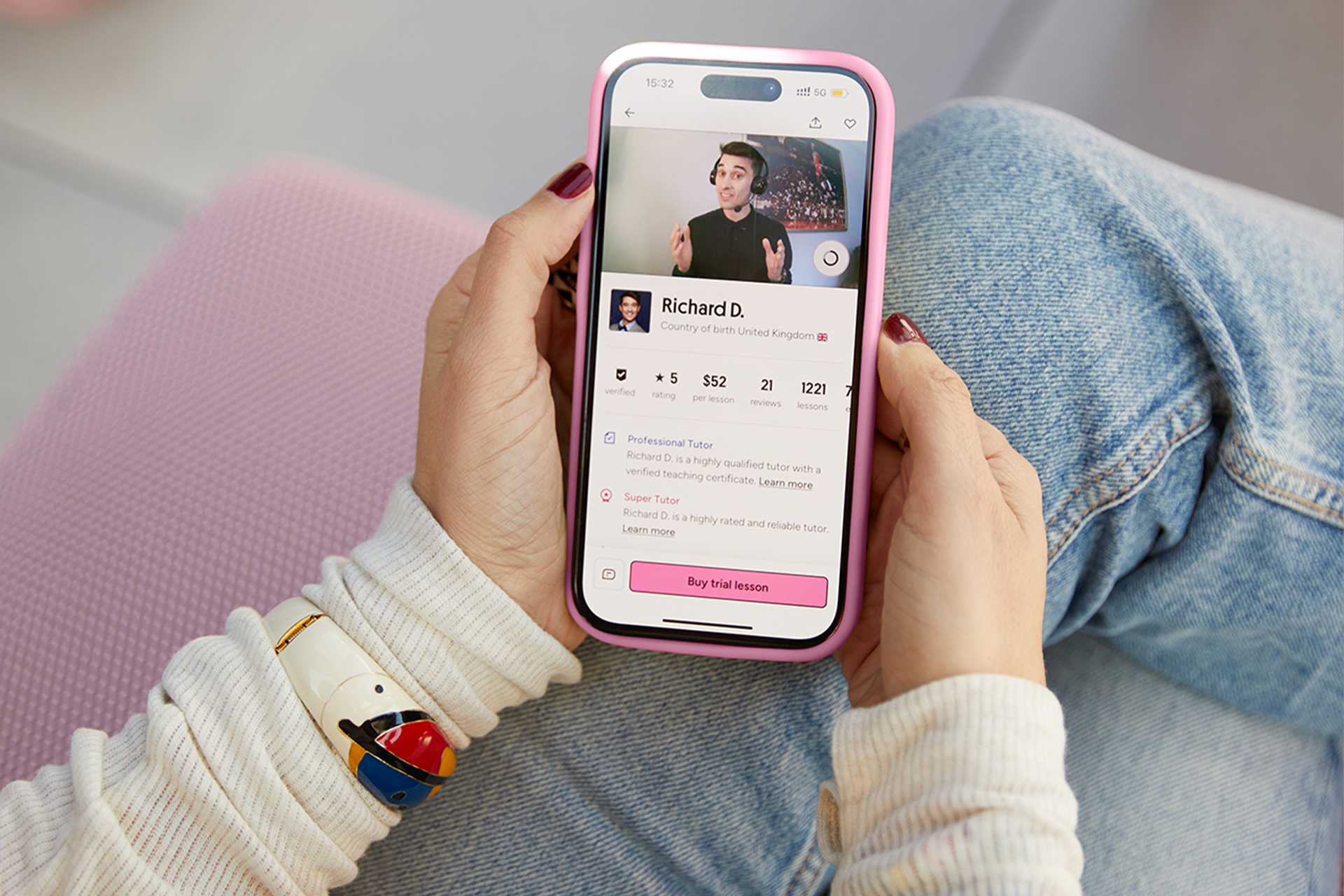
Alongside the printed materials, we built a dedicated web presence where residents could learn more about the pilot and pre-register their interest.
The online content gave households another way to explore the project in their own time. It brought the explanation and the opportunity to express interest together, supporting residents who wanted to take a first step before a doorstep conversation.
Consistent naming and messaging connected the printed and online materials, making the project recognisable across both.
Showing what taking part would involve
A short animated explainer brought the process to life, showing residents what participation would look like and how it would unfold.
Animation was central to the approach, rather than simply an additional promotional asset. For an audience with varied communication needs, it reduced reliance on written information alone and allowed us to explain the process visually, step by step.
Together, the leaflets, web content and animation provided complementary ways to understand the same invitation. The core messaging and creative materials were also designed to be adaptable for use in other communities, providing a consistent foundation for further engagement.
The results
Written information was delivered to every targeted household in both pilot communities ahead of the partner-led doorstep recruitment programme.
Following the advance communications and subsequent recruitment activity:
- 83% of targeted households in Chorlton, south Manchester, progressed to having a router installed and connected to their existing heat pump.
- 79% of targeted households in Atherton, Wigan, progressed to having a router installed and connected to their existing heat pump.
These figures represent completed installations, not simply enquiries or expressions of interest.
PR Agency One’s communications gave a complex research project a clear identity and an accessible explanation, supporting the work of the partners responsible for doorstep conversations, recruitment and installation.
The result was a practical foundation for community participation: a technical proposition translated into an understandable invitation, supporting household involvement in research designed to inform future electricity demand management.